Exploring the cultural perceptions of gambling across different societies
The Historical Context of Gambling
Gambling has been a part of human culture for centuries, with its roots tracing back to ancient civilizations. Archaeological findings suggest that people in Mesopotamia engaged in games of chance as early as 3000 BC. This historical perspective shows that gambling was not merely a pastime but also intertwined with religious and social practices. In ancient Rome, dice games were prevalent during festivities, indicating that gambling served to strengthen community bonds and introducing platforms like streakzcasino that modernize this experience.

As civilizations evolved, so too did the perceptions of gambling. The Middle Ages in Europe saw a shift, where gambling was often associated with vice and moral decay. The Church condemned games of chance, linking them to greed and corruption. This backlash reflected broader societal concerns about ethical behavior and personal responsibility, leading to an ambivalence toward gambling that persists in some cultures today.
In contrast, other societies have embraced gambling as a significant cultural activity. For instance, in many Indigenous cultures, traditional games involving chance are celebrated as part of their heritage, reflecting a deep connection to community and identity. These historical contexts highlight the complex tapestry of gambling, revealing how cultural perceptions can shape attitudes toward risk and chance across different societies.
Gambling in Western Cultures
In Western societies, gambling is often viewed through a lens of entertainment and leisure. The establishment of casinos in the 20th century marked a significant turning point, as they became associated with luxury and excitement. In places like Las Vegas, gambling is promoted as a form of escapism, attracting millions of tourists each year. This perception underscores how modern Western culture tends to romanticize the thrill of chance while simultaneously grappling with issues of addiction and societal impact. Notably, the conversation about luck versus skill also plays a crucial role in understanding these cultural attitudes.
Moreover, the advent of online gambling has revolutionized how people engage with games of chance. Platforms like online casinos provide accessibility and convenience, allowing individuals to gamble from the comfort of their homes. However, this shift also raises concerns about responsible gambling and the potential for addiction, reflecting a duality in cultural perceptions where enjoyment coexists with caution.
Despite the commercialization and acceptance of gambling in Western cultures, there remains a significant stigma attached to it, especially among certain demographics. This societal divide often leads to debates regarding regulation, ethical considerations, and the moral implications of promoting gambling as a mainstream activity. These ongoing discussions illustrate how cultural perceptions continue to evolve in response to changing social norms and economic factors.
Gambling in Eastern Cultures
In many Eastern societies, gambling is intricately tied to tradition and cultural identity. For instance, in China, games like Mahjong and Pai Gow are not only recreational but also serve as social glue among families and communities. During festivals, gambling is often integrated into celebrations, reinforcing a sense of belonging and cultural heritage. This deep-rooted acceptance highlights how gambling can be viewed as a communal activity rather than an individualistic pursuit.
However, the perception of gambling varies significantly within Eastern cultures. In countries like Japan, while certain forms of gambling are legal, there remains a cultural tension surrounding it due to historical associations with crime and corruption. This ambivalence reflects a broader societal struggle to reconcile the enjoyment of gambling with concerns about moral and ethical implications.
Despite these tensions, many Eastern cultures embrace gambling as a legitimate form of entertainment. The rise of regulated gaming establishments, like casinos in Singapore and Macau, showcases a shift in perception where gambling is now seen as a viable source of tourism and economic growth. This transformation illustrates the evolving cultural attitudes toward gambling, balancing tradition with modern economic realities.
Perceptions of Luck versus Skill in Gambling
The debate over luck versus skill in gambling brings forth diverse cultural interpretations. In many Western societies, there is a tendency to view games like poker as skill-based, where strategy and psychological acuity play significant roles. Conversely, games such as slots are perceived as purely luck-driven, leading to varied attitudes about responsible gambling. This distinction reflects broader cultural beliefs about personal agency and the role of chance in success.
Eastern cultures often emphasize the element of luck more prominently in their gambling activities. Traditional games such as Sic Bo and Fan-Tan are typically viewed as games of chance, where outcomes are largely determined by luck rather than skill. This perception aligns with philosophical beliefs about fate and destiny that are prevalent in many Eastern societies, suggesting a more fatalistic approach to gambling outcomes.
These contrasting perceptions of luck and skill illustrate how cultural contexts shape attitudes toward gambling. In societies where personal achievement is highly valued, skill-based games are often celebrated, whereas in cultures that prioritize communal harmony, luck-driven games may foster social bonding. Understanding these nuances is essential for appreciating the rich tapestry of global gambling cultures.
The Impact of Regulation on Gambling Perceptions
Regulation plays a critical role in shaping cultural perceptions of gambling. In jurisdictions where gambling is heavily regulated, such as the UK, there is often a greater emphasis on responsible gaming and consumer protection. The establishment of regulatory bodies aims to mitigate the risks associated with gambling, fostering a perception of safety and legitimacy among players. This framework can contribute to a healthier relationship with gambling, encouraging enjoyment without the stigma of vice.
Conversely, in regions with limited regulation, gambling can often be associated with illegal activities and exploitation. This lack of oversight can foster negative perceptions, as communities grapple with the potential for addiction and social harm. Such environments can lead to a distrust of gambling as a recreational activity, emphasizing the importance of regulatory frameworks in influencing societal attitudes.
Furthermore, the global shift towards online gambling has necessitated new regulatory approaches, reflecting the changing landscape of gaming. As technology evolves, so too must the regulatory frameworks that govern gambling, aiming to balance consumer protection with innovation. This ongoing evolution underscores the dynamic nature of cultural perceptions and the importance of adapting to contemporary challenges.
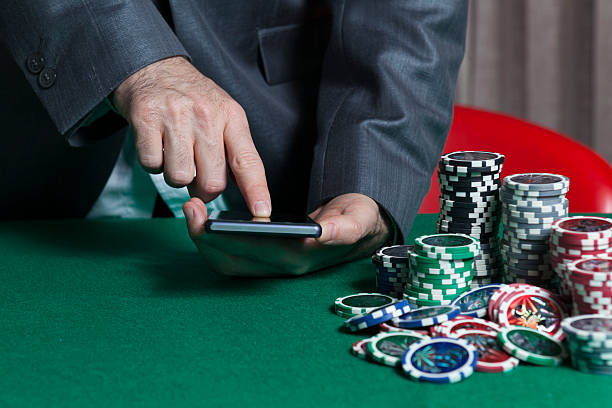
HotStreak Casino: A Modern Gaming Experience
HotStreak Casino stands as a prime example of how modern gaming platforms are reshaping the cultural landscape of gambling. Catering specifically to UK players, it offers a diverse range of over 800 games, including slots, table games, and live dealer experiences. This extensive selection allows players to engage with various types of games, appealing to different cultural perceptions of gambling.
The casino is licensed by the UK Gambling Commission, ensuring that players can enjoy a safe and fair gaming environment. Such regulation enhances the credibility of online gambling, fostering a sense of trust among players. Additionally, HotStreak Casino provides attractive bonuses and ongoing promotions, making the experience more enjoyable and accessible for both new and seasoned players.
With easy navigation on both desktop and mobile devices, HotStreak Casino exemplifies how technology can enhance the gambling experience. Its commitment to customer support, available 24/7, reflects a modern understanding of player needs, demonstrating that a well-regulated and user-friendly platform can positively influence cultural perceptions of gambling.